How we take out old tile and replace it
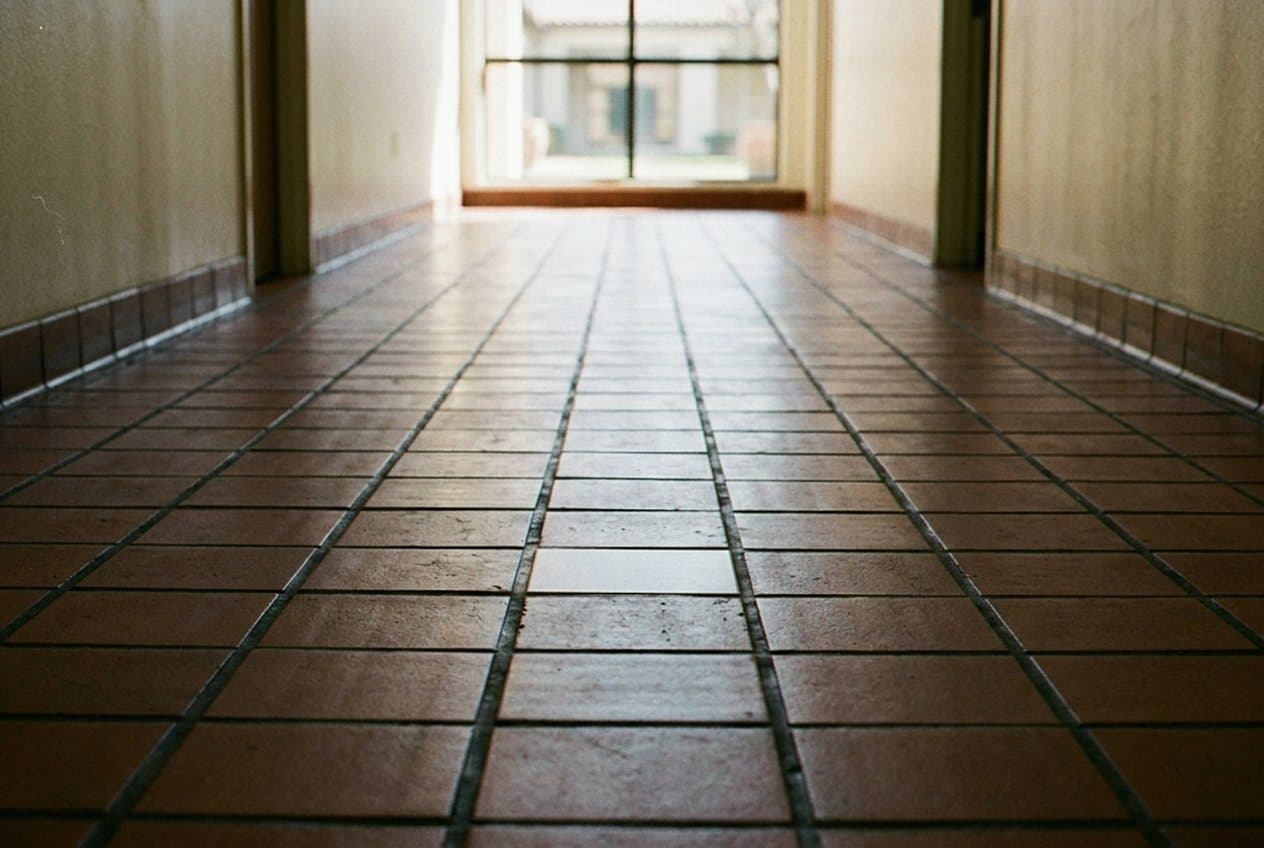
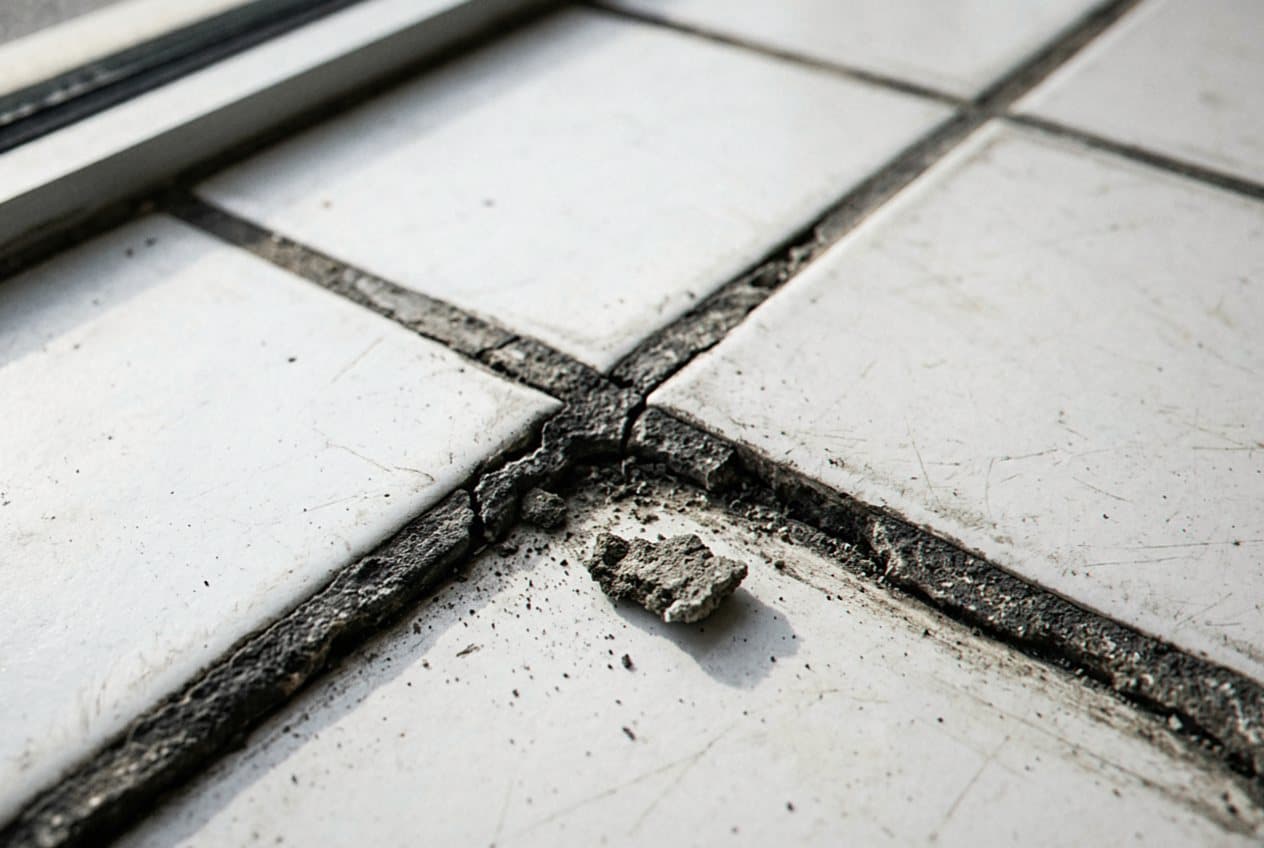
Old tile rarely fails all at once. It goes slowly, and by the time you notice, the trouble has been building for years under your feet. A grout line opens somewhere along a wet wall. Water finds its way in behind the tile. The mortar behind the tile stays damp, and the bond lets go one piece at a time. We hear the same story on most calls in South Bend. A few tiles sound hollow when you tap them, the grout keeps splitting in the same spot, or a shower wall has gone soft near the corner. Plenty of houses on the near northwest side and around River Park still carry their first bathroom floor, set in a thick mud bed that was good work in its day. That bed can last a very long time. What it cannot survive is water running behind it for ten years. There is also the plain matter of taste. Some of the tile we pull out is holding up fine and simply looks like 1978. Either way, taking it off is the step that tells the truth. Once the tile is gone we can see whether the subfloor is solid, whether the framing near the tub ever got wet, and whether anyone put a real waterproof layer behind the shower. That is the moment to fix all of it. It is also the only moment you get without paying to open the room twice. Entry floors take a different beating here. Snow, slush, and salt ride in on boots from November into March, and that grit works on the grout every time somebody crosses the room. Basements add their own wrinkle, since a slab that draws moisture through a wet spring can push a floor loose from below. So before we price a replacement we ask what the room does and what it has been through. Sometimes the honest answer is that the tile is sound and a few pieces need resetting. Sometimes it is a full tear out down to the studs, with a new shower pan built before any tile goes back up. Kitchens are their own kind of job. Backsplash tile comes off a wall that was never meant to be looked at, so the drywall behind it almost always needs patching before new tile can go up flat. On a floor we also have to plan for whatever is sitting on top of it. Cabinets, a vanity, a toilet, and now and then a radiator that has not moved since the house was built. Those get sorted out on the first visit rather than discovered on the morning we start.
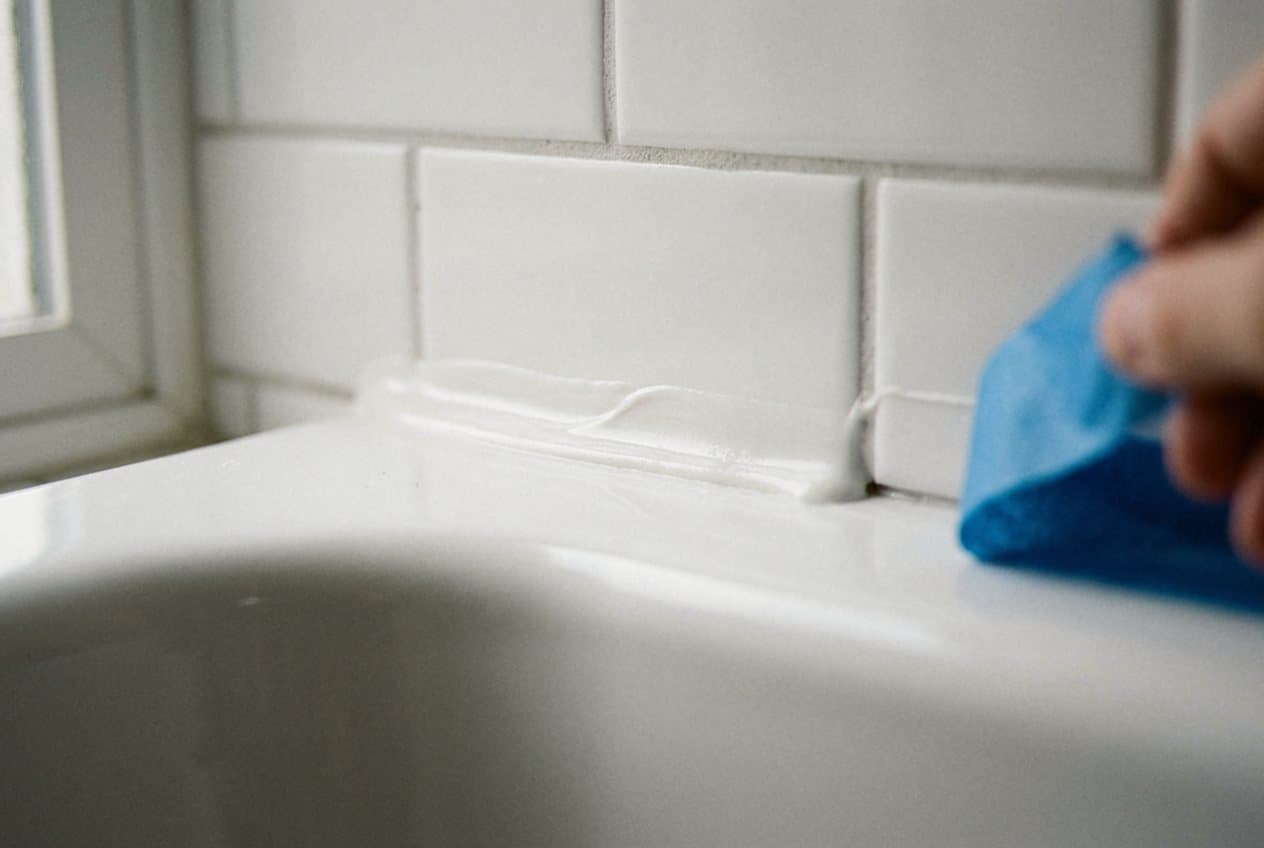
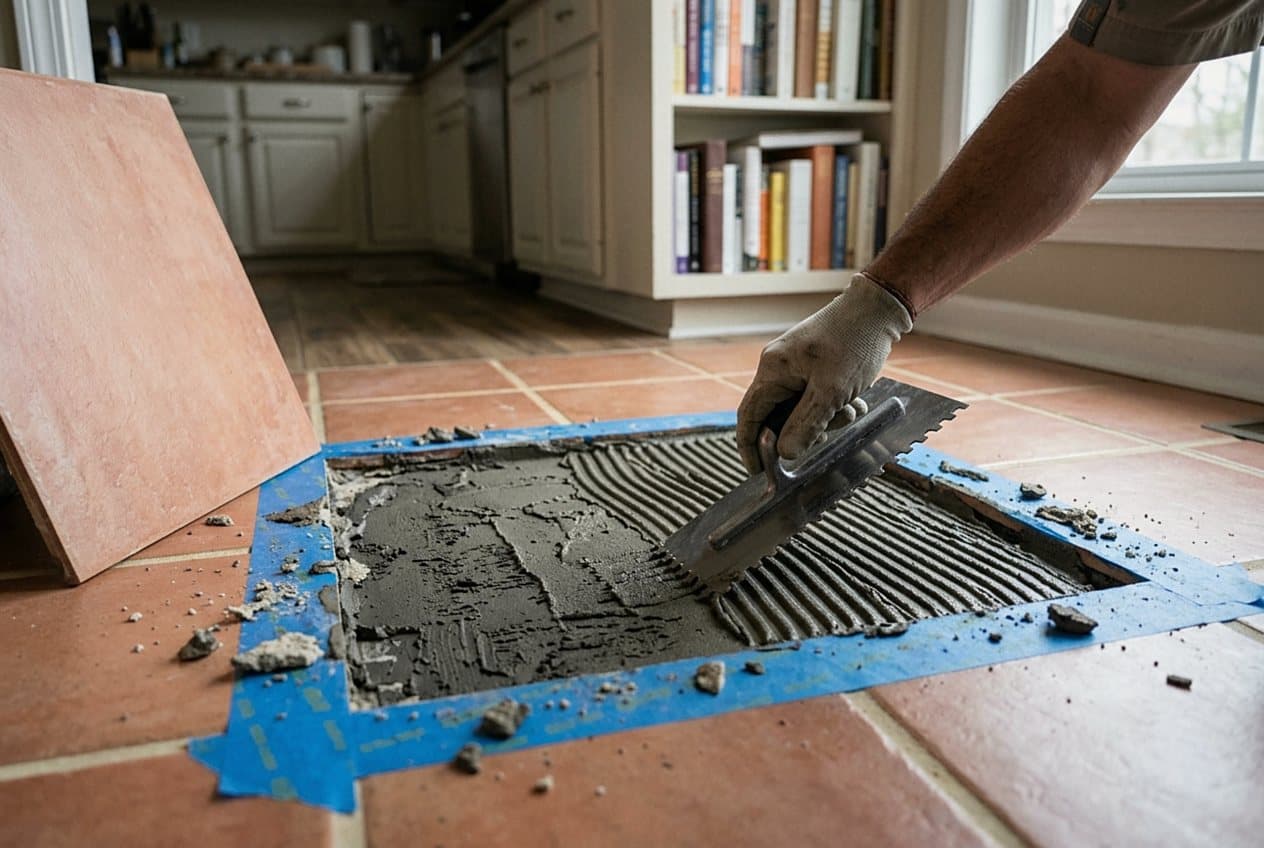
Removal is a dusty job, so we plan around the dust before anybody swings a hammer. We cover the floors along the path from your door, tape plastic over the doorways, and run a vacuum right at the point where the tile is coming up. The saw work happens outside. Tile comes off in the order that keeps the mess small. Wall tile first, then floor, then the old mortar bed or backer board under it. That last layer is the one people skip, and skipping it is why a lot of replacement floors fail early. Old thinset left on a slab leaves a rough surface that new mortar cannot grab evenly. So we scrape it down to clean concrete or clean wood. Then we look at what we uncovered. On a floor that means checking the plywood for soft spots, looking for rot near the toilet flange, and walking the room to feel for flex. On a shower it means opening the wall far enough to see the framing and the pan. If the pan leaked, it comes out. There is no version of this where we tile over wet framing and hope. Once the bones are right, prep starts. Wood floors get a fresh layer of backer board or an uncoupling membrane, so the house can move through the seasons without dragging the tile with it. A slab that dips or humps gets a self leveling coat. Showers get a waterproof layer over the whole wet area, corners and curb included, and we test the pan with water before a single tile goes on. Then we snap our lines from the center of the room instead of a wall, because old walls in this town are rarely straight. New tile goes down with mortar matched to its size, and we butter the back of the big pieces so the whole back makes contact. Grout comes last, then the caulk at every change of plane and the trim at every doorway. We handle the fixtures that stand in the way, too. The toilet comes off and goes back down on a fresh seal, the vanity gets reset level, and the base trim we pull is reused when it is still in good shape. If a valve or a drain needs to move an inch, this is the moment to do it, while the wall is open and nothing is finished. Debris leaves with us the same day we break it up. It does not sit in your garage for a week.
- Our tear out includes the layer nobody sees. Tile, the old mortar bed, and every bit of leftover thinset come off down to clean wood or clean concrete, because new mortar needs a sound surface to grip. New tile set on top of old adhesive is how a fresh floor starts sounding hollow.
- Dust gets managed instead of apologized for. We cover the walkway, seal the doorways in plastic, run a vacuum right at the tool, and take the cutting outside. The room is loud and dirty for a stretch, and then it is finished. Your whole house does not wear a film of grit for a month.
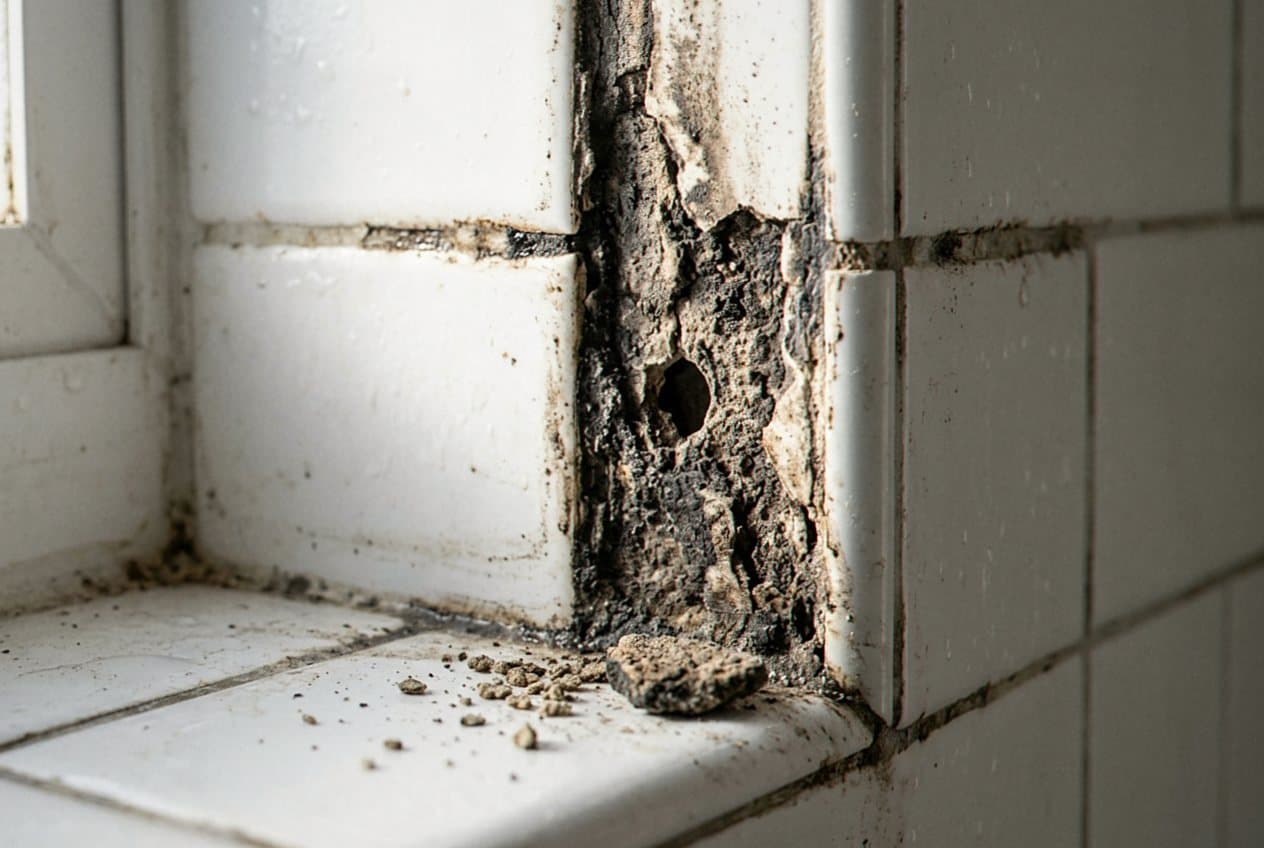
- Once the tile is off, you see what was under it. Soft plywood, a pan that has been leaking, rot near the toilet flange, a slab crack that is still opening. We send photos before we go any further, and you choose what gets fixed while the room is open and the repair is still easy to reach. Nothing gets covered up quietly.
- Showers get rebuilt rather than patched over. A pan that leaked comes out, the wet area gets a waterproof layer across every corner and the curb, and we hold water in the pan to test it before any tile goes back on. Water is the reason most shower tile in South Bend fails.
- Everything we break out leaves with us the same day. Old tile is heavy and sharp, and it has no business sitting in a pile in your driveway for a week. We haul it, we sweep behind ourselves, and we hand the room back in a state you can walk into.
Timing depends on the room and on what the old floor was hiding. A small bath floor is often a two day job, plus a day where nobody walks on it. A shower rebuilt from the studs runs longer, because the waterproofing and the mortar both need real time to cure and neither one likes being rushed. A kitchen or a whole main level takes a week or more, and we phase it so you keep a path to the door and a way to the bathroom. Special order tile is the one thing we cannot speed up. When a piece is coming from a supplier, the wait belongs to them, so we say that up front instead of letting a date slide quietly. Season matters here more than people expect. Tile that rides in on a cold truck in January needs to warm up before it goes down. When the furnace runs all winter the air inside gets very dry, and mortar and grout behave differently than they do in a humid July. We plan the cure around that instead of pretending every month is the same. In spring we ask about water in the basement before we tile a slab down there, because new tile will not fix a wet basement and we are not going to pretend otherwise. Most of our work sits inside South Bend, Mishawaka, Granger, Osceola, and Roseland, with some jobs out toward New Carlisle and Lakeville. Staying close is practical. If a tile needs a second look, we are twenty minutes away instead of an hour. We answer our own phone, so you talk to the people who will be in your house rather than a call center that takes a message. We also keep the schedule small on purpose. One crew, one house at a time, so nobody vanishes for three days in the middle of your bathroom. And we will tell you when a tear out is not the answer. If the tile is sound and only a few pieces have let go, resetting those is faster and cheaper than replacing a floor that still has years left in it. We would rather say that on the first visit than sell you the bigger job.
If your grout keeps cracking, a tile sounds hollow underfoot, or the shower has started to feel soft near the corner, tell us what you are seeing. We will come out, tap the floor, look at the walls, and give you a straight read on whether this is a repair or a replacement. Photos of the room and the problem spot are a fine way to start if that is easier. Either way you get an honest answer about what has to come out, what can stay, and how long the room will be out of service.