Tile Flooring Installation · South Bend

Tile Flooring Installation in South Bend, IN

We set tile floors in South Bend kitchens, baths, entries, and basements, and we do the work ourselves. Tell us the room and we will tell you what it needs.

Free Quote

Free Tile Flooring Installation quote.

We reply within 1 business hour. No spam, ever.

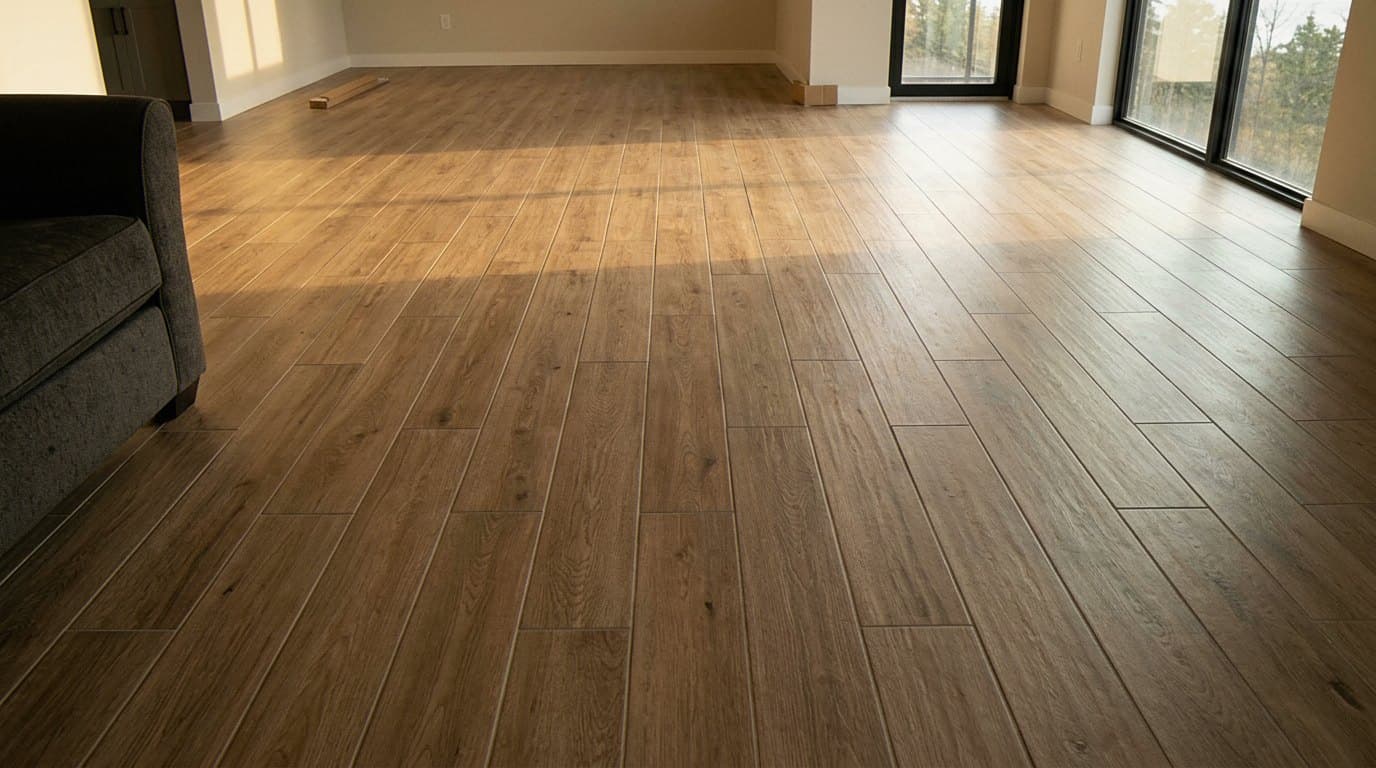
Wood-look plank tile floor in a sunlit living room
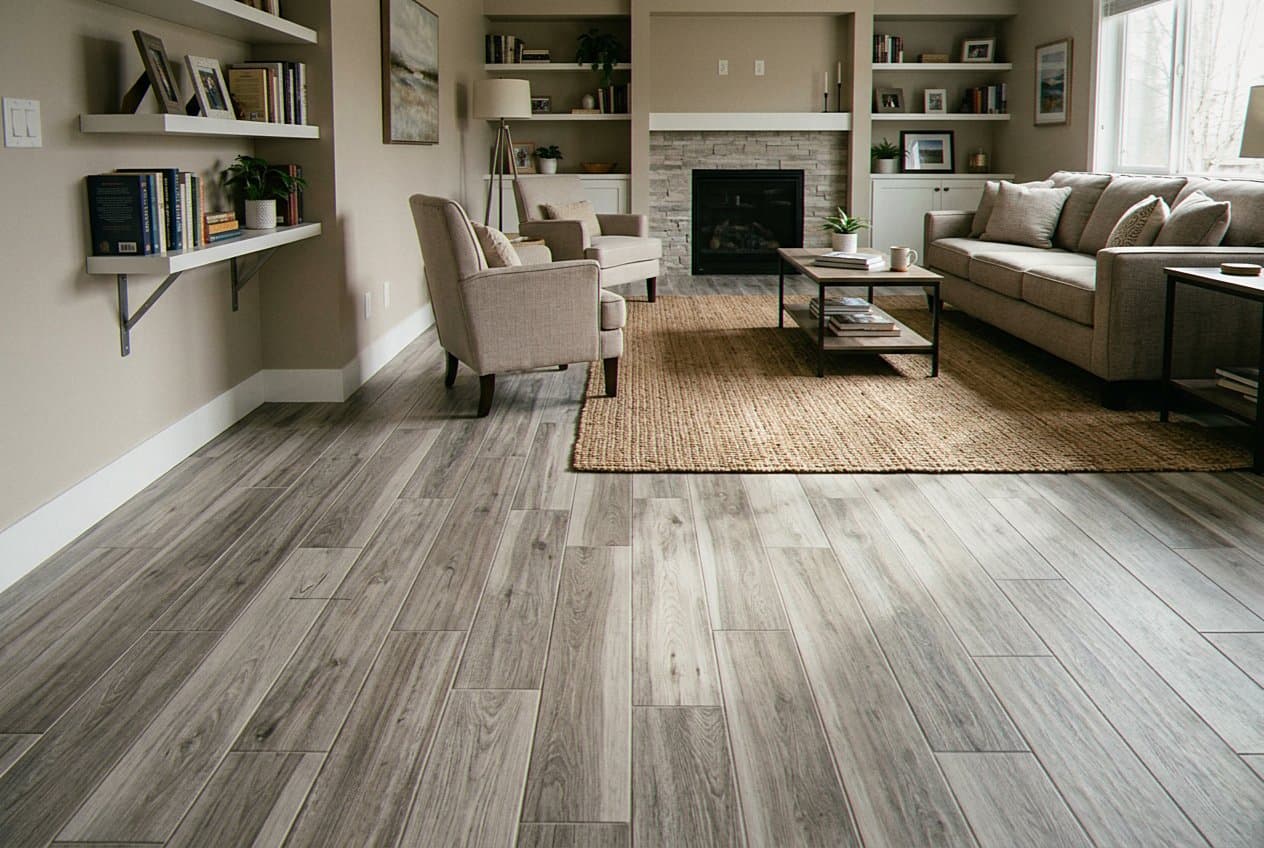
Gray wood-look plank floor in a furnished living room
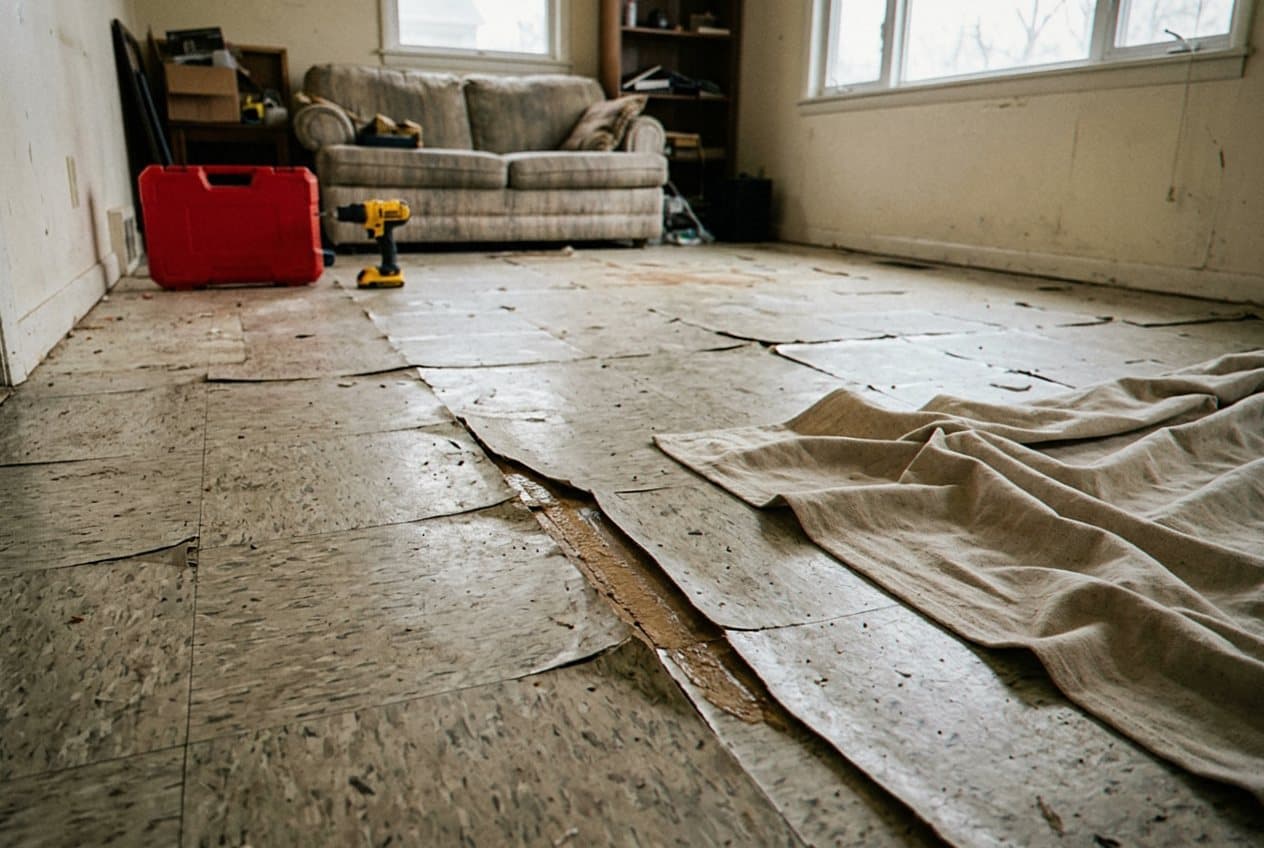
Torn-up subfloor with a drop cloth and toolbox
What we do

How we install a tile floor in South Bend

Most of the tile floors we pull up in South Bend were set on a floor that moved. That is the whole story behind cracked grout and loose tile in this town. A lot of houses here went up before the war, on joists that flex more than tile likes. Bathrooms got a layer of plywood, then another layer years later, and the stack never came out flat. Tile does not bend. When the floor under it flexes, the grout lets go first, then the bond, and a few tiles start to sound hollow when you tap them. So we start under the tile instead of with it. We check the subfloor for spring, for rot near the toilet flange, and for high spots that would rock a big tile. Then we fix what we find. The tile part is the easy part once the floor below it is right.

The order we work in is boring, and that is the point. First we get the subfloor solid and flat. That can mean adding plywood, screwing down what is already there, or pouring a self leveling coat over a slab that has dips and humps in it. Then comes the layer between the floor and the tile. On a wood floor we run an uncoupling membrane, so the house can move with the seasons while the tile stays put. Over a basement slab we look for cracks and treat them before anything goes down. Next we snap our lines from the middle of the room instead of a wall, because almost no wall in an old South Bend house is straight. That way the cuts land even on both sides and the pattern reads square to the eye. Tile goes down with the trowel and the mortar that suit its size, and we butter the back of the big pieces so the whole back makes contact. Then grout. Then the transitions at every doorway.

  • We check how much your floor flexes before we price the work, since a springy floor cracks grout no matter how good the tile is.
  • Flat comes first. We grind the humps, fill the dips, and pour a self leveling coat when a slab needs one, so large tiles sit tight instead of rocking.
  • An uncoupling membrane goes over wood subfloors. That lets the house move through a South Bend winter without dragging the tile along with it.
  • Layout gets set from the center of the room, so the cuts come out even at both walls and full tiles land where people actually look.
  • We handle the ugly edges too. Thresholds, door jambs, toilet flange height, and the trim your floor meets when it changes rooms.
A tile floor fails from below. Get the subfloor right and the tile takes care of itself.

How long it takes depends on the room and on what the old floor is hiding. A bathroom or a small entry is usually a couple of days, with a day in the middle where nobody walks on it. A kitchen or a whole main level runs longer, and we phase it so you keep a path to the door. Winter matters here. When the furnace runs all day the air in the house gets dry, and mortar and grout cure differently than they do in a humid July. We plan around that instead of pretending it is the same job in every season. Tile also comes off the truck cold, so we let it sit and warm up before it goes down. Most of our work sits inside South Bend, Mishawaka, Granger, and Osceola, so the crew is close if something needs a second look.

If your grout is cracking, your tile sounds hollow, or you are just tired of the floor you inherited, tell us which room you are looking at. We will come out, walk on it, and tell you what the floor under it is doing. Sometimes the answer is a full tear out and a rebuilt subfloor. Sometimes the tile is sound and a few pieces need to be reset. We would rather say that than sell you a bigger job. Call us or send a few photos of the room and the doorways, and we will take it from there.
Materials

Tile and materials we put on your floor

Porcelain does most of the work on the floors we install. It is dense, it takes water, and it holds up to boots and dog nails and the grit that rides in on a South Bend winter. Ceramic sits a little softer and costs less, which makes it a fine pick for a guest bath that sees light traffic. Natural stone looks like nothing else in a room. It also wants sealing on a schedule, and salt tracked in from the driveway is hard on it, so we talk that through before anyone orders. Wood look plank tile has gotten very good, and it lets you run one floor from the kitchen through the hall with no break. Big tiles read calm in a small room because there is less grout to look at. Small tiles and mosaics give you grip, which is why they still make sense right inside a door where snow melts off your shoes.

Under the tile, the stack matters more than the color does. Wood floors get an uncoupling membrane or a layer of backer board, screwed down and set in mortar so it acts like one piece. A basement slab gets checked for moisture and for cracks that are still opening. Cracks that move need a treatment first, or they will show straight through the new floor. Mortar gets picked for the size of the tile, since a long plank needs a different mix than a small square. Grout comes in two families. The cement kind is easy to work and wants sealing now and then. The other kind fights stains and traffic better and costs more to buy and to install, so we lay that choice out honestly. Where the floor meets a wall or a cabinet, we leave a small gap and cover it with trim. That gap is not sloppy work. It is how the floor breathes when the seasons change.

  • Porcelain in kitchens, entries, and any room that sees wet boots. That covers most of a winter here.
  • Uncoupling membrane over wood subfloors. Seasonal movement stays under the tile instead of in the grout.
  • Self leveling underlayment on slabs and old floors that sit out of plane. It goes down before any tile does.
  • A movement gap where the floor meets walls and cabinets. Trim hides it, and the floor needs it.
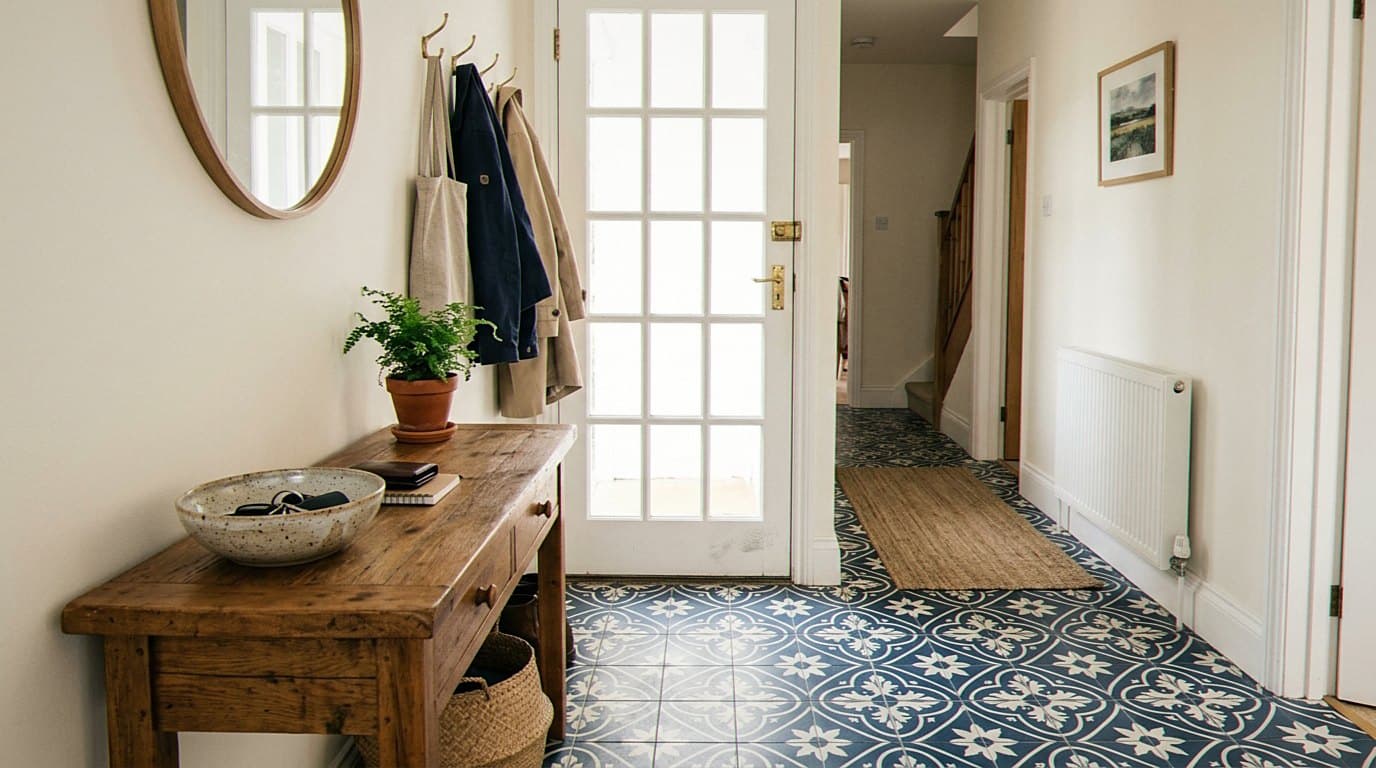
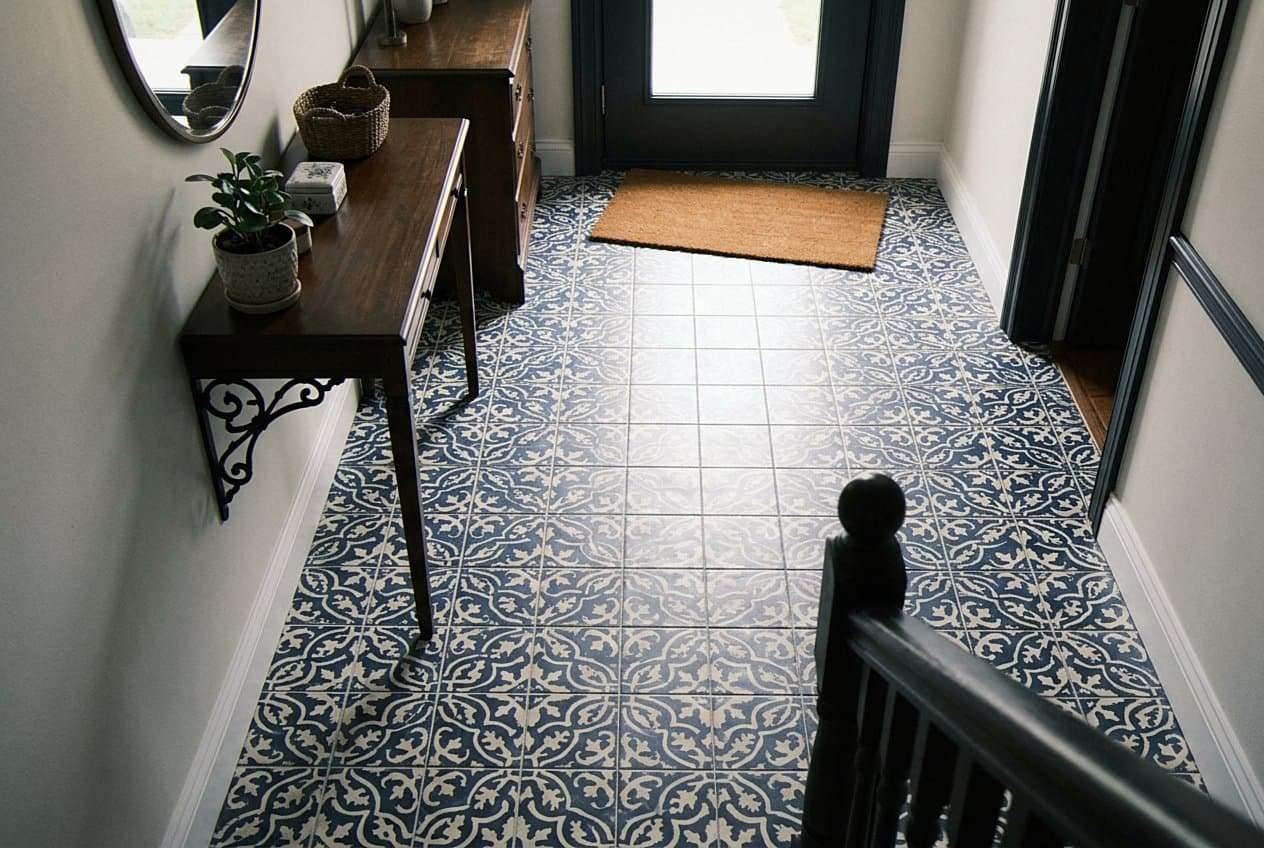
Patterned blue and white tile in a home entry
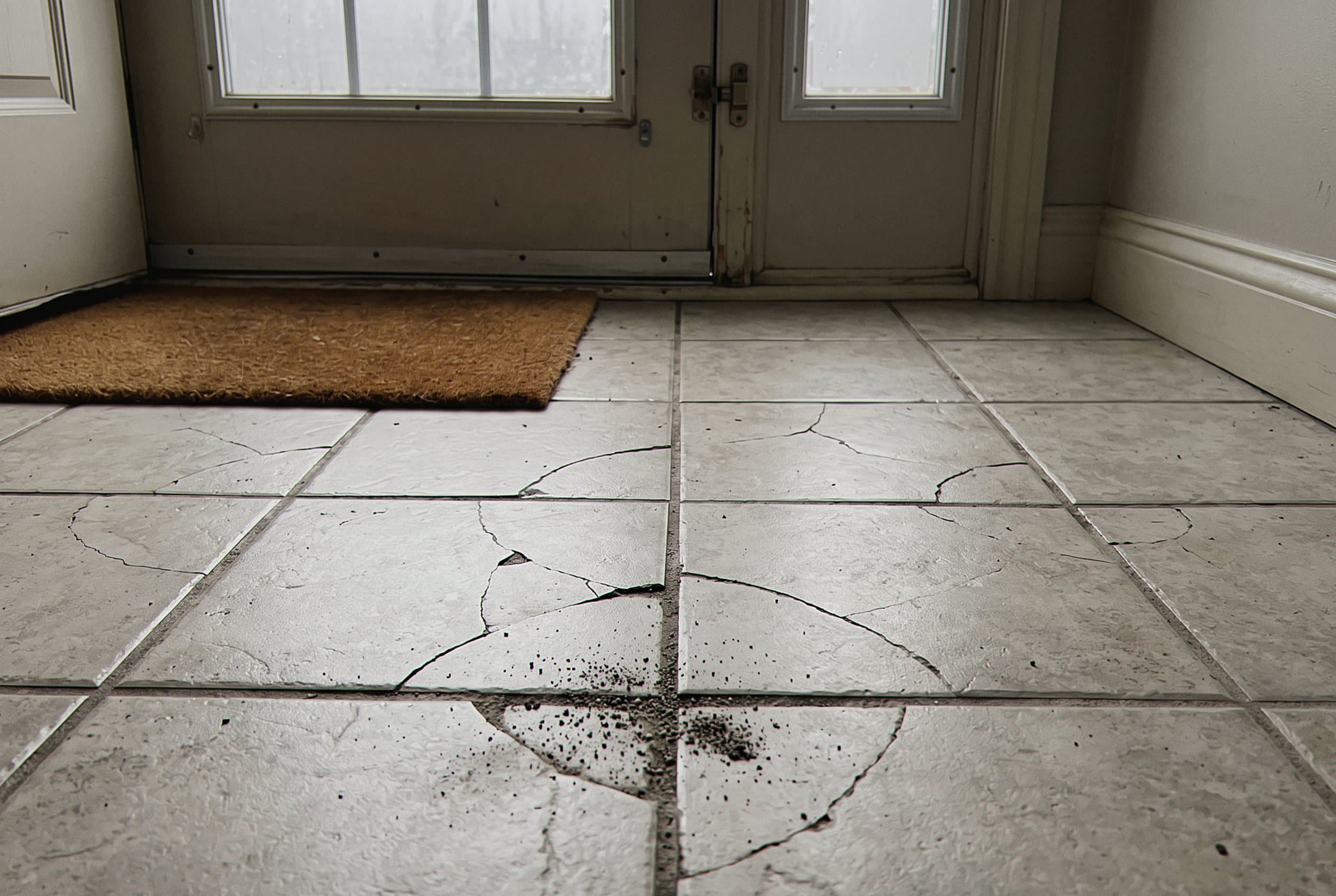
Cracked gray entry tile beside a coir doormat
What about the alternatives?

Floor options compared

There is more than one way to get a floor you like. Here is how the common choices play out in a South Bend house, and where each one earns the time and the mess. Some do not.

Porcelain tile over a prepared subfloor

The one we push when a room sees water, grit, or heavy traffic. The prep takes real time, since we flatten the floor and set a membrane first. What you get is a floor that shrugs off a wet winter and does not care about the dog.

Recommended

Large format tile in a small room

Fewer grout lines make a bath or a narrow kitchen feel bigger and easier to clean. Big tile also punishes a floor that is not flat, so we level first and set with the right trowel. Skip it when the subfloor cannot be brought into plane.

Acceptable

Wood look plank tile through the main level

One floor runs from the kitchen to the hall with none of the worry real wood brings near a sink. The planks need a proper offset so the corners do not lip up. A good pick when you want warmth and a floor that takes abuse.

Acceptable

A warming mat under the tile

Putting a heat mat under a bath or entry floor is a small add while the floor is already open, and a South Bend February makes it easy to justify. It needs its own circuit and a thermostat. Cheap to do now, a hassle to add later.

Acceptable

New tile set straight over the old tile

It saves a day of demolition and hides whatever is going on below. The floor gets taller, doors start to drag, and any movement in the old bed comes right through the new one. We tear out instead.

Skip

Tile on a bouncy floor with no reinforcement

If the joists flex when you walk across the room, tile will crack and no mortar on the market fixes that. Blocking, a second layer of plywood, or added joists come first. Setting tile on a floor that moves is how a new floor fails early.

Skip
How it goes

From quote to walk-on, fast.

01

Your inquiry

02

We talk it through

03

A clear plan

04

The work gets done

Before you book

Things people ask before we start

These come up on nearly every call, so here they are in plain words.

Do I have to rip out the old floor?
Usually yes, and it is the part we would not skip. Old tile hides the condition of the subfloor, and that is exactly what we need to see. Vinyl and old glue have to come up too, since mortar does not bond well to either one. Tearing out also keeps the floor height where it belongs, so your doors still swing and the edge where tile meets carpet does not turn into something you catch a toe on.
My grout keeps cracking. Is that a grout problem?
Almost never. Grout cracks because something under it is moving. That could be a flexing subfloor, a missing movement gap, or tile set on a bed that was never flat. Filling the joints again on a floor that moves buys a few months, and then you are right back where you started. We look for the cause first, then decide whether the floor needs a repair or a rebuild.
Can you tile over a basement slab?
Often yes, and it is one of the better uses of tile in a South Bend basement. We check the slab for moisture and for cracks that are still opening. A static crack gets a treatment, while a moving one needs more than that. If water comes in during a heavy spring rain, we want to hear about it before anything goes down, because tile will not fix a wet basement.
How fast can tile flooring work start in South Bend?
Usually a couple of weeks out, and sooner when the calendar shifts. On a special order the material lead time matters more than ours. We answer our own phone, so you get a real date instead of a message left with somebody who might call you back. If you are working around a closing or a move, say so and we will tell you honestly whether it fits.
How much of my house gets torn up?
Less than you would think, when the crew plans it. We cover the path from the door, seal off the work area, and run the saw outside so the dust stays there. Demolition is loud and dirty for a stretch, and then it is done. We haul the old floor out the same day we break it up rather than piling it in your garage for a week.
Can we live in the house while you work?
Most people do. The room being tiled is off limits while the mortar and the grout set, so a single bathroom takes planning and a kitchen means eating somewhere else for a few days. We break a large floor into sections when the layout allows it, so there is always a way through. Walk us through your floor plan on the first visit and we will map it out with you.
Aftercare

Keeping a tile floor looking right

Tile floors are easy to live with, which is why people put them in. The parts that need attention are the joints, not the tile. Grit is the real enemy here. Sand and road salt ride in on shoes all winter, and that grit works like sandpaper on grout and on any stone you have. A mat inside the door and a broom do more good than anything on the cleaning shelf. The tile itself asks for almost nothing. Joints are another story. Past that, the list is short, and none of it takes more than a minute or two a week.

  • Put a mat at every door that opens to the outside, and shake it out often between December and March when salt gets everywhere.
  • Sweep or vacuum before you mop. Otherwise the wet grit just gets pushed down into the grout lines, where it scratches everything it rides across.
  • Use a mild cleaner and plenty of clean water. Cheap sprays leave a film that dulls the surface a little more every month.
  • Seal cement grout once water stops beading on the joints, which lands around every year or two in a busy room.
  • Keep bleach and acid cleaners off stone and off colored grout. They etch the surface and pull the color out of the joints.
  • Call us when a tile starts to sound hollow underfoot. Caught early that is one tile and a bag of mortar, not a whole floor.
Patterned blue tile hallway leading to a front door
FAQ

Questions we get about tile floors

Ready when you are

Ready to get it done in South Bend?

Call or send the form with what is going on. You get a straight answer and a written quote, fast.

Get a free quoteCall (574) 314-1793
CallFree Quote